
Mosquito Control in Toledo: Why Late July Is When It Gets Serious
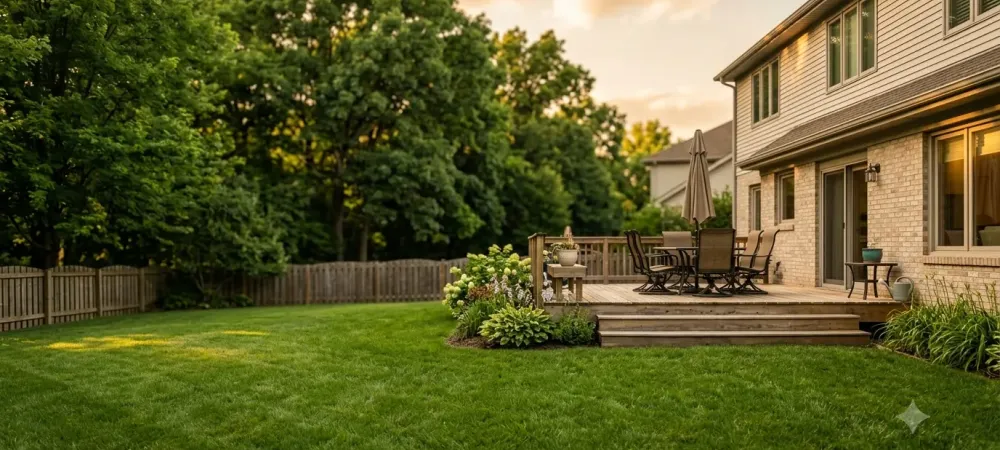
Mosquito pressure in Toledo and northwest Ohio peaks in late July and holds through mid-August. If your backyard has been difficult to use after 5 p.m. lately, that timing makes sense. The combination of summer heat, high humidity, and standing water that builds after seasonal storms creates near-perfect breeding conditions. Multiple hatch cycles are already underway across Lucas County.
When Does Mosquito Season Peak in Toledo, Ohio?
Toledo's mosquito season runs from late May through September, but the worst weeks fall between late July and mid-August. Mosquito larvae need standing water and warm temperatures to complete development, and northwest Ohio supplies both in abundance right now. The Ohio State University Extension notes that mosquito development accelerates in water temperatures between 70°F and 80°F, a range that matches late July in the Toledo area.
That timing has practical implications for treatment. A single application made in early July may not maintain full protection into August, because new generations are actively hatching throughout this period. Two applications spaced roughly four weeks apart, one in late July and a follow-up in late August, align better with the actual hatch cycle than a single mid-summer treatment. Land-Art schedules applications around hatch timing in 2026, not just the calendar.
Why Toledo-Area Yards Breed More Mosquitoes Than You Might Expect
Toledo sits at the western end of Lake Erie within the Maumee River watershed, a low, flat region where water moves slowly after rain and collects in yards, ditches, and storm drains. Lucas County's clay-heavy soils don't absorb water quickly. A moderate summer storm can leave standing water in place for four to five days, which is long enough for mosquito eggs to hatch and advance to the next larval stage under July temperatures.
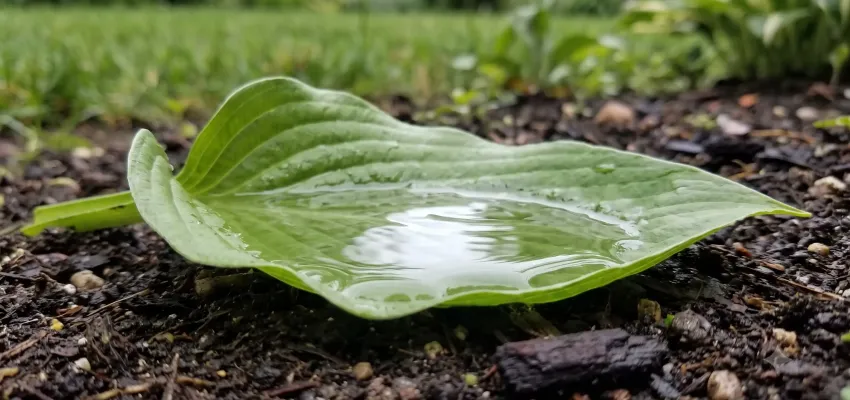
Mosquito breeding happens in smaller containers than most homeowners expect. A clogged gutter section, a low spot in the lawn, a tarp that folds when it rains, or any container left uncovered in the yard can each hold enough water to produce dozens of adult mosquitoes in under two weeks. The Maumee River corridor and associated drainage channels also support large floodwater mosquito populations, primarily Aedes vexans, a species that travels several miles from its breeding site to reach residential neighborhoods. Properties near river corridors, wetland edges, or low-lying drainage areas across the Toledo metro tend to see the most pressure.
Which Mosquito Species Are Active in Northwest Ohio Right Now?
Two species account for most of the biting in Toledo-area yards during summer. Culex pipiens, the northern house mosquito, is the primary nighttime biter and the species most associated with West Nile virus transmission in Ohio. Aedes vexans, the floodwater mosquito, bites aggressively at dusk and in the early evening, often arriving in large numbers in the days following rain that raises local standing water levels.
The Ohio Department of Health monitors West Nile virus activity each season and publishes county-level case data online. West Nile virus spreads to humans through the bite of an infected Culex mosquito. Most infections produce no symptoms, but a percentage cause flu-like illness, and a smaller fraction progress to serious neurological complications. Adults over 60 and individuals with weakened immune systems face the highest risk of severe outcomes. Reducing the mosquito population in and around your yard lowers that exposure for everyone who uses the property.
Citronella Candles and Bug Zappers Won't Solve a Yard Mosquito Problem
Citronella candles and bug zappers are popular. Both do very little to reduce the mosquito population breeding in your yard. Citronella candles create a small zone of reduced biting attraction within a few feet of the flame, but they do not eliminate breeding sites, kill adults resting in vegetation, or stop new generations from hatching. Research on citronella products focuses on reduced bite rates for a person sitting directly next to the flame, not across a yard.
Bug zappers are a similar story. They attract and kill moths, beetles, and other flying insects in far higher numbers than mosquitoes. Mosquitoes are not strongly drawn to ultraviolet light. They navigate by body heat, carbon dioxide, and moisture cues instead. Research published in Entomological News by University of Delaware entomologists found that mosquitoes and biting flies made up less than one-quarter of 1% of insects killed by residential bug zappers. Backyard traps and sonic repellers have similarly limited evidence behind them. None of these products address the breeding cycle that is producing new adults every few days.
How Professional Mosquito Control Works Differently
Professional mosquito control targets where mosquitoes spend their time during the day, not where they fly at night. Adult mosquitoes shelter in shaded, cool, dense vegetation: shrub beds, tall groundcover, the underside of deck boards, and fence lines with heavy plant growth. Barrier spray treatments coat those resting surfaces with a residual product that kills mosquitoes on contact when they land.
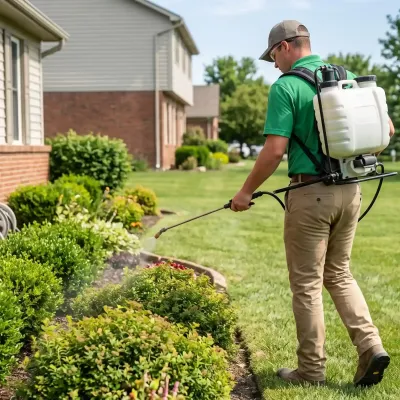
Land-Art's mosquito control service uses barrier treatments that hold effectiveness for approximately three to four weeks before reapplication. Starting in late July, two applications spaced through mid-August cover the highest-pressure weeks of the Toledo-area season. During each service visit, technicians also walk the property to identify active breeding sites and standing water, addressing the source problem alongside the adult population already present. That combination of source identification and resting-site treatment is what makes professional service meaningfully more effective than a consumer spray product applied to open air.
What to Expect Starting a Program in Late July
Starting mosquito control at the end of July still covers the most difficult weeks of the season. Toledo-area pressure stays elevated through August and begins dropping off noticeably as nights cool in early September. Properties with significant shaded vegetation, standing water sources, or proximity to the Maumee River corridor tend to see higher-than-average pressure and may benefit from a third application. Land-Art technicians assess each property individually on the first visit and can make that recommendation based on what they find.
Frequently Asked Questions About Mosquito Control in Toledo
Barrier spray treatments in Ohio summer conditions typically hold effectiveness for three to four weeks. Heat and heavy rain can shorten that window, which is why a follow-up application in late August is part of a complete late-season program for most properties.
Land-Art uses EPA-registered products applied according to label requirements. Pets and children should stay off treated areas until the application has dried, typically one to two hours after the visit.
Barrier spray treatments applied to vegetation reduce tick populations in treated areas as well, since adult ticks and mosquitoes share many of the same shaded resting habitats in residential yards. See Land Art's outdoor pest control service for seasonal coverage that addresses both.
Dealing with mosquitoes at your place this summer, or just want to know what a treatment program looks like for your yard? Call Land-Art at 419-666-5296 and we'll walk you through what fits your property.